Digitizing the repair shop, without changing how it works.
An Arabic-first platform that turns the messy, paper-driven reality of Saudi car repair shops into a calm digital workflow, built so the people on the shop floor recognise their own day in it.
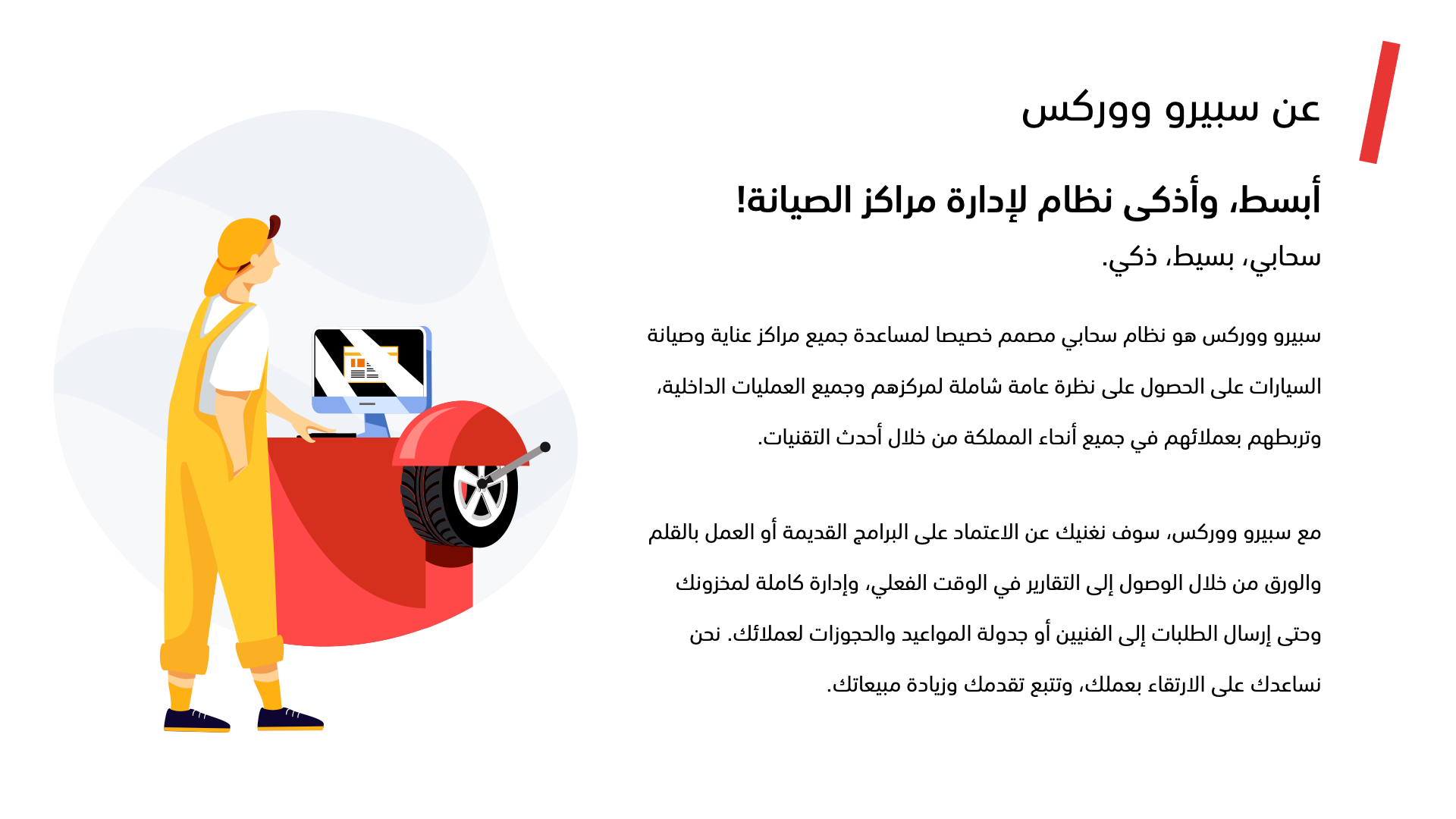
Car repair shops run on memory, paper, and habit. The job was to digitize that without breaking it.
Saudi car repair shops have their own rhythm: a customer walks in, a car gets inspected, parts get ordered, work gets logged, an invoice gets written, often across a notebook, a phone, and a few people who simply know how things are done. Any software that ignores that reality gets abandoned in a week.
I joined as the solo designer to build an Arabic web and iPad SaaS for exactly this world. My job wasn't to impose a new process. It was to study the existing one closely enough to turn it into a digital experience that felt familiar on day one, automating the slow parts without asking anyone to relearn their job.
The hard part wasn't the screens. It was the gap between how shops actually work and how software expects them to.
Before anything could be designed, the real friction had to be named. Talking to shop owners and staff surfaced a consistent set of problems.
Work lived on paper
Orders, inspections, and notes were scattered across notebooks and memory. Nothing was searchable, and nothing was shared between people.
Every shop did it differently
Routines varied from one shop to the next. A rigid, one-size flow would have felt wrong to most of them and been rejected.
Branches couldn't see each other
Multi-branch businesses had no shared view of inventory, orders, or performance across locations.
The temptation was to design the "ideal" workflow and ask shops to adapt. The harder, correct path was the opposite: translate their physical experience into a digital one so close to their routine that adoption felt like a small upgrade, not a disruption.
Study the physical routine first, then design the digital one to match it.
As the only designer on the product, I owned the full arc, from understanding the floor to handing off to engineering. The process stayed grounded in how shops really operate.
Researched the real workflow
Started from the root of the customers' problems, observing how shops take in a car, order parts, log work, and bill. The goal was to understand the routine deeply enough to preserve it.
Mapped the journey, then simplified it
Translated the physical, multi-step process into a clear digital flow, removing the slow manual parts while keeping the sequence the staff already knew.
Designed the full UI and a design system
Built every screen across web and iPad in Arabic RTL, on a reusable design system so the product stayed consistent as it grew across modules and branches.
Handed off and shipped with engineering
Worked closely with developers through handoff and implementation to make sure what shipped matched the intent, screen by screen.
One calm, Arabic-first system for the whole shop, from the front desk to the back office.
The product brought every part of the shop's day into a single, familiar interface, designed in Arabic from the ground up rather than translated into it.
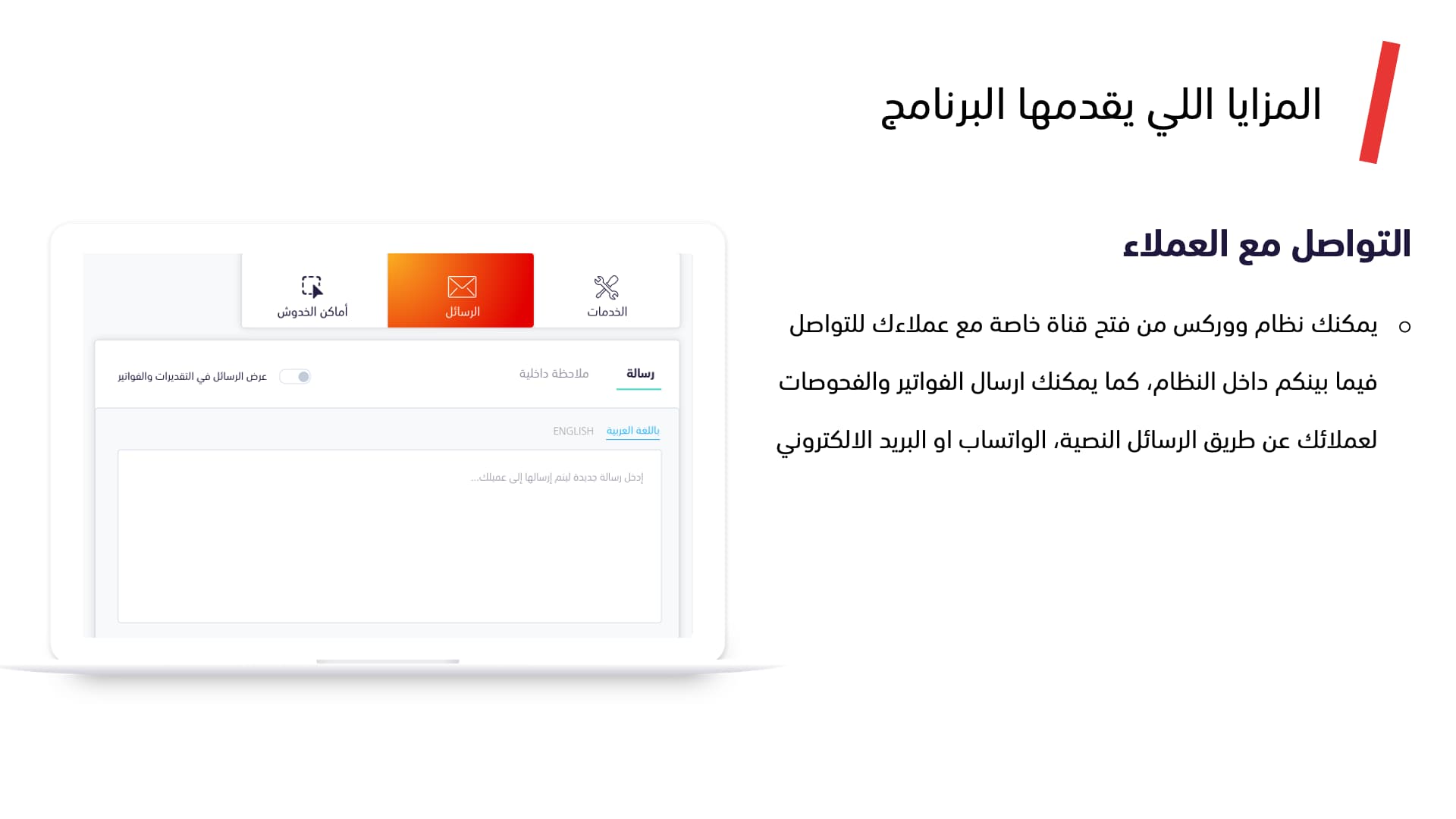
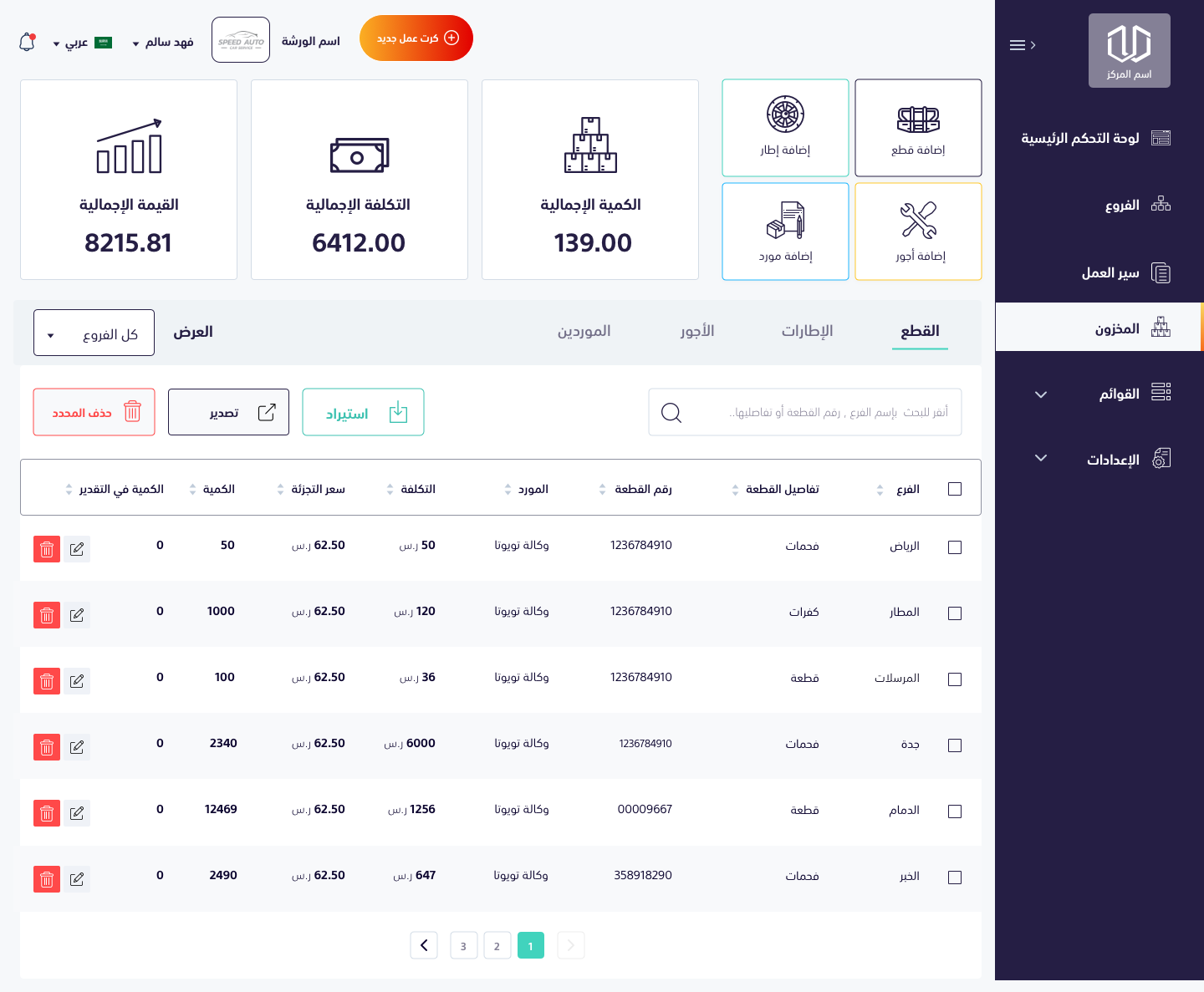
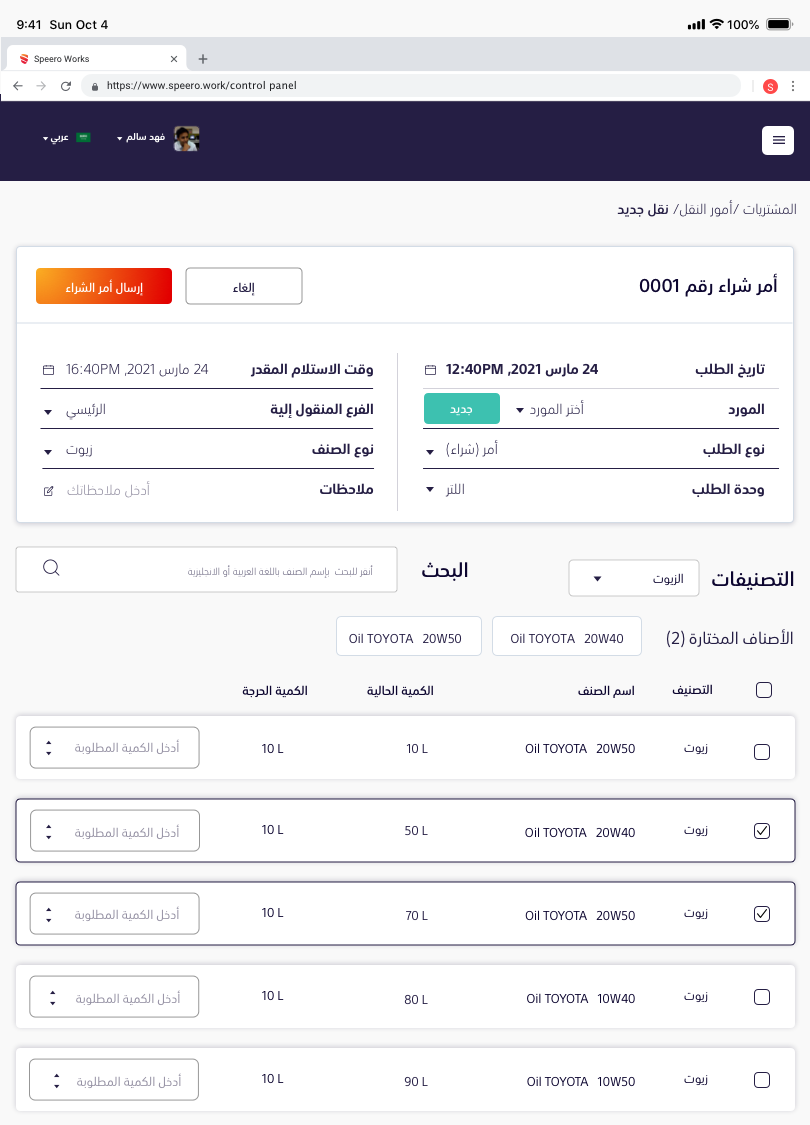
Purchase orders that match how parts are really requested
The ordering flow mirrors the way staff already request parts, with categories, quantities, and supplier choice laid out in the order they think about them, not the order a database wants.
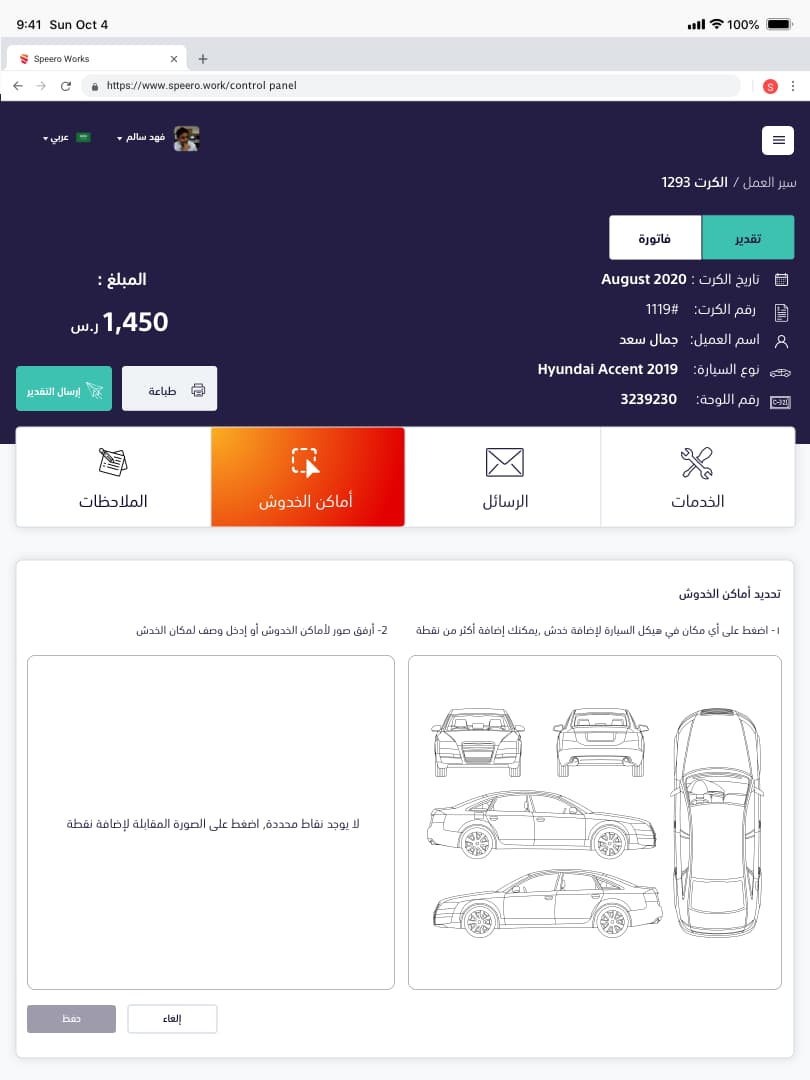
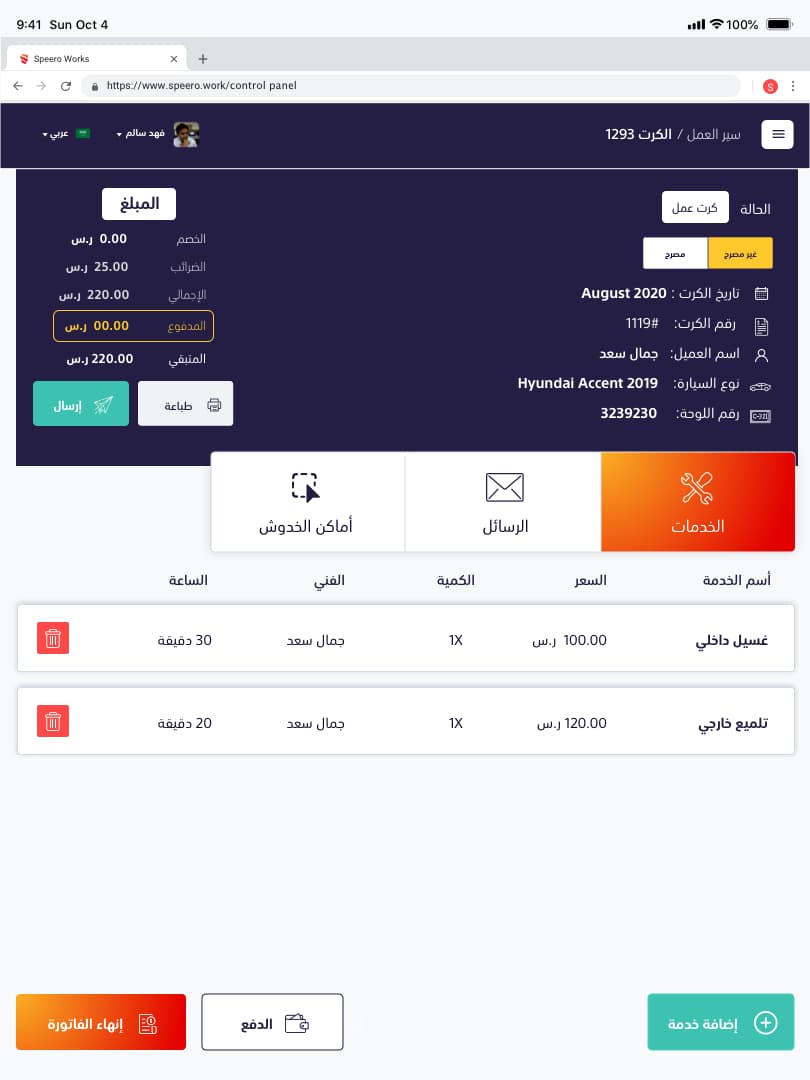
Damage points captured on a tablet, right at the car
Inspections happen where the work happens. On iPad, staff mark damage points, add notes, and build an estimate next to the vehicle, replacing the paper sheet without changing the inspection itself.
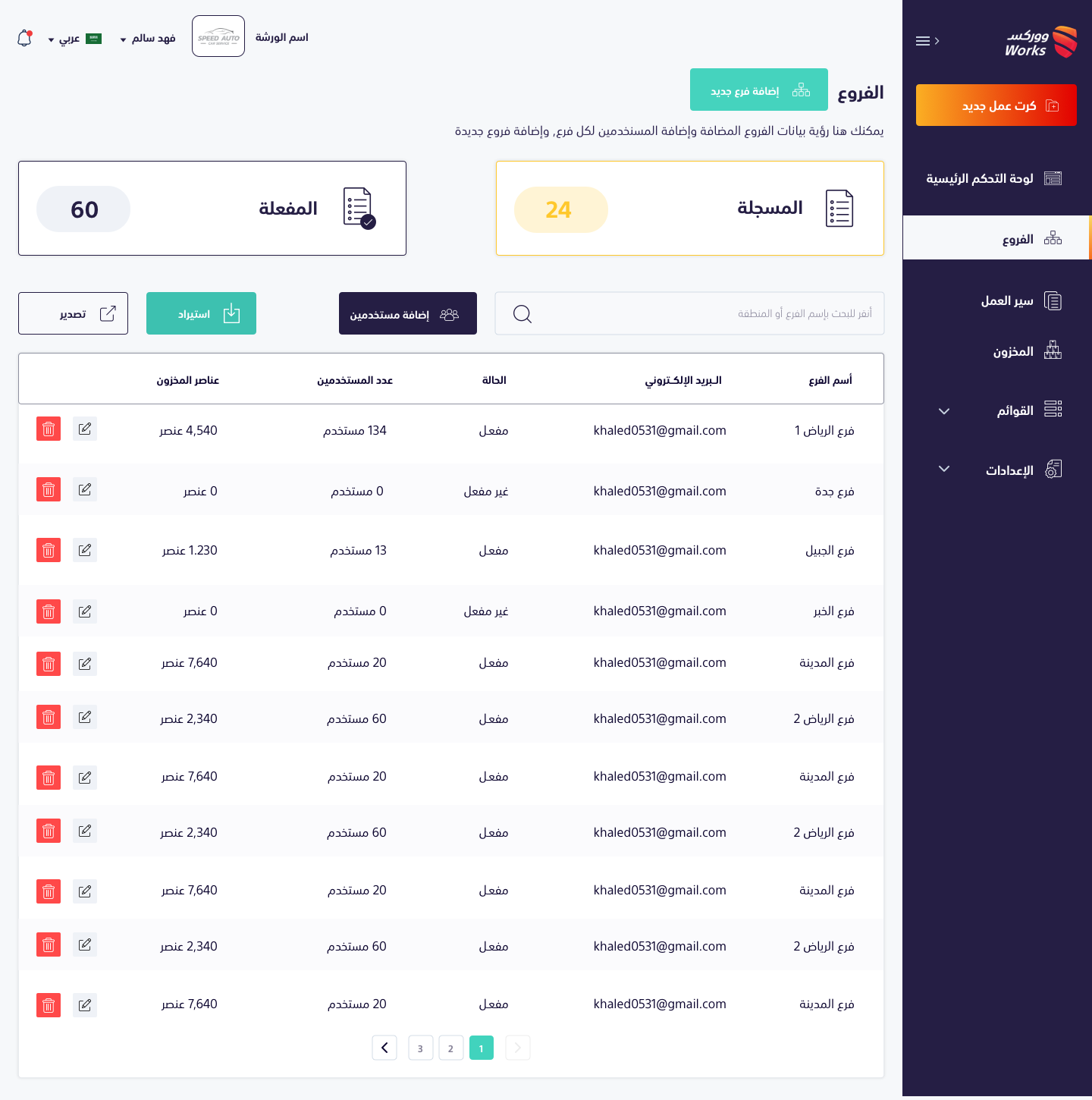
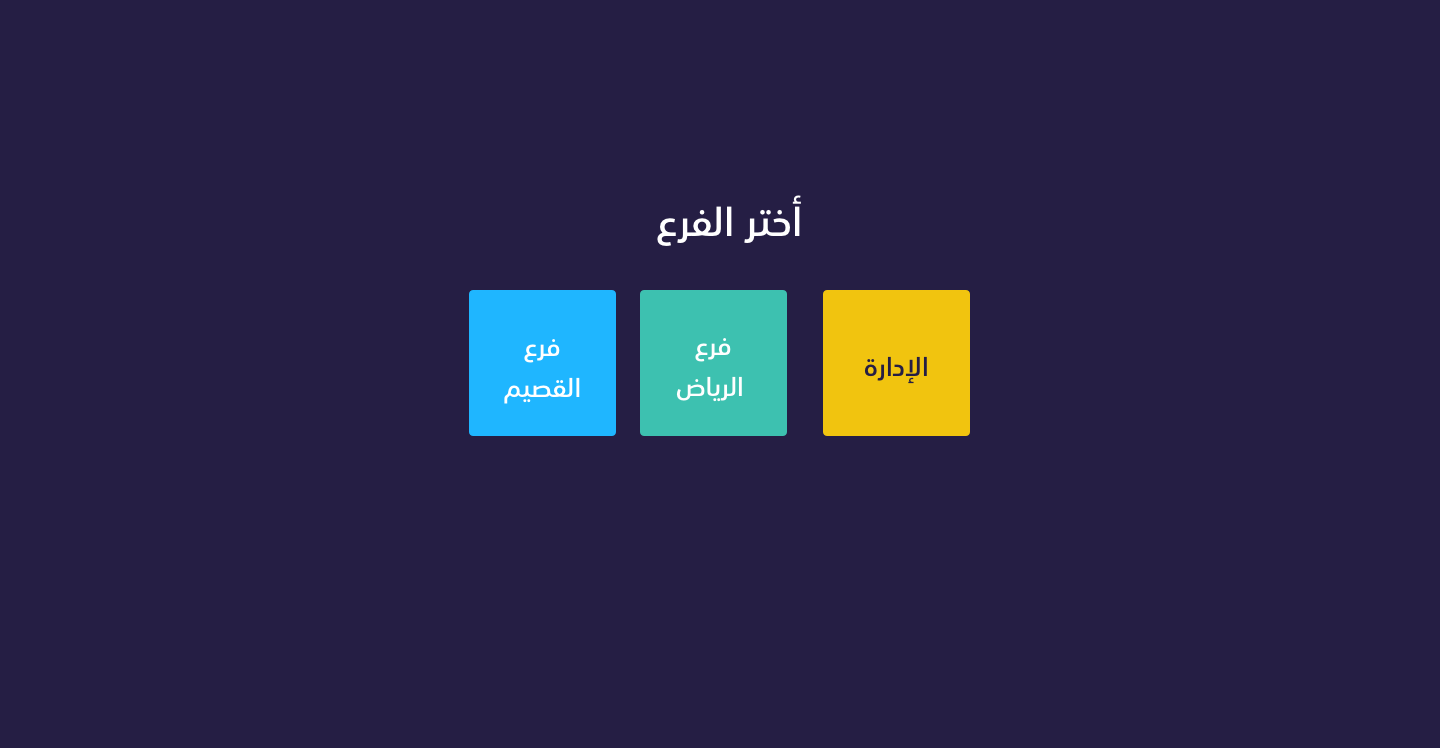
Every branch in one place
Owners get a shared view across locations, inventory, orders, and activity, so a multi-branch business runs as one operation instead of several disconnected ones.
Reports that turn the day's work into decisions
The same data captured on the floor rolls up into clear reports, giving owners visibility they never had when everything lived on paper.
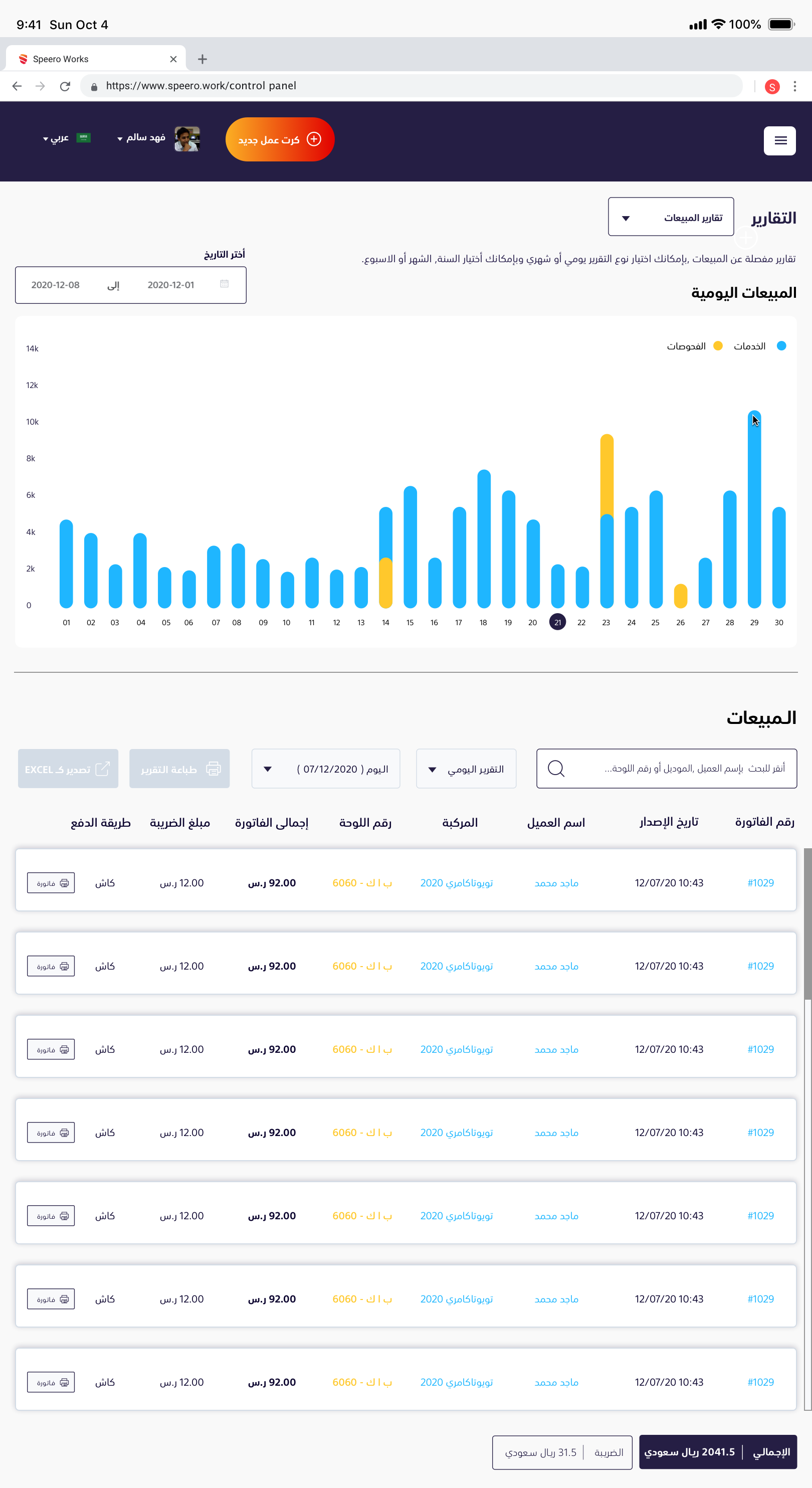
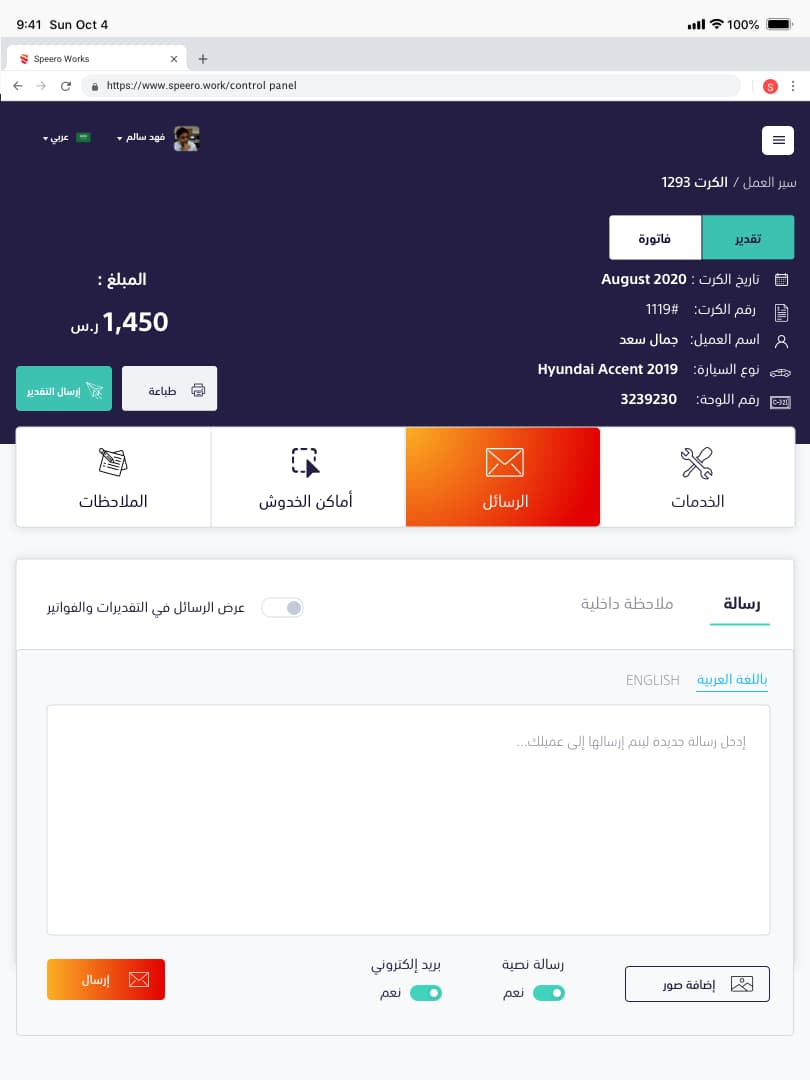
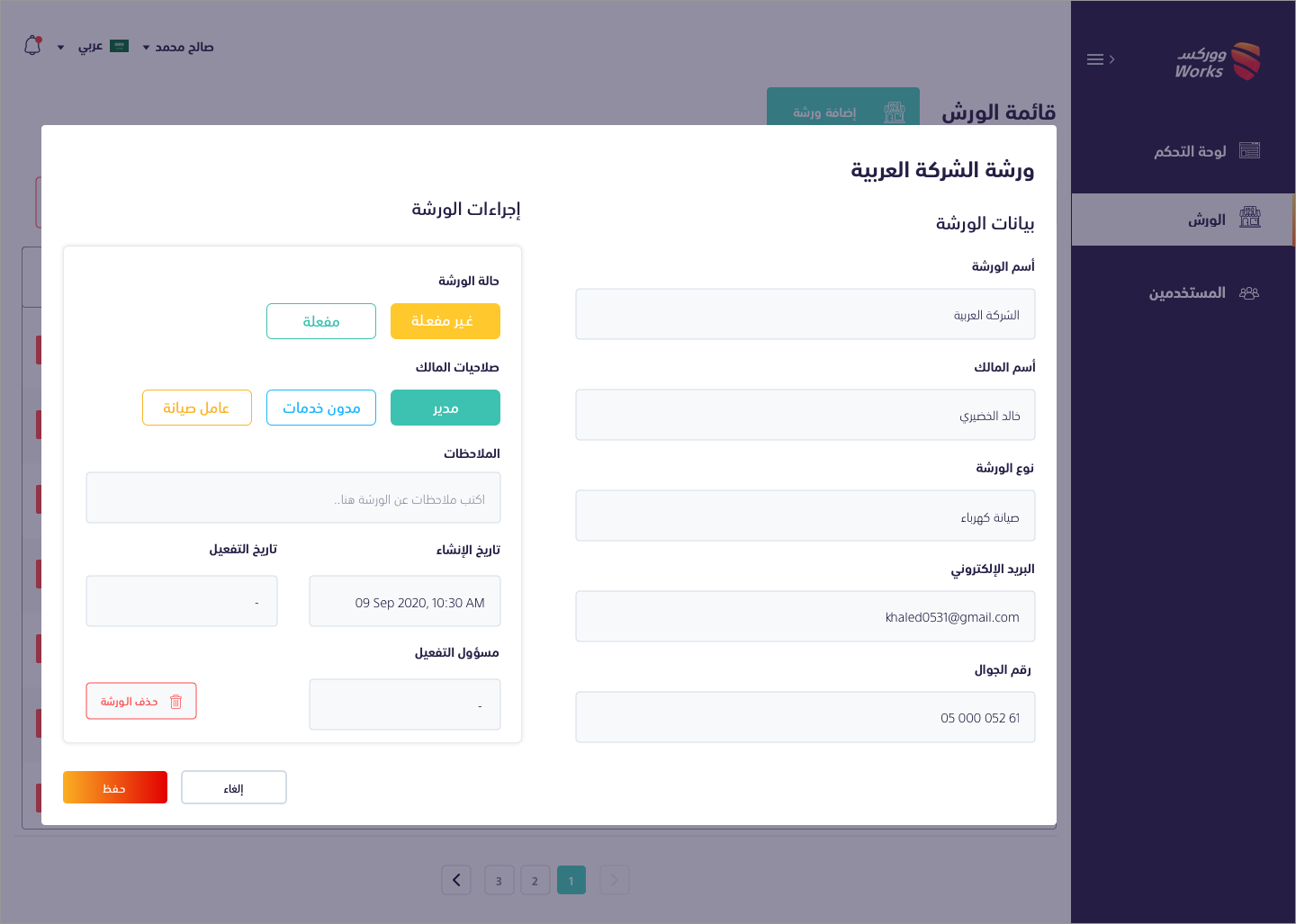
A consistent system, screen after screen.
From authentication to inventory to invoicing, every surface shares the same Arabic-first language and components.
Shops adopted it because it felt like their own workflow, only faster.
After release, the product was met with strong adoption and customer satisfaction, and larger businesses chose to move onto it. The reason was the design intent holding true: the system automated the slow parts of the day without forcing anyone to abandon the routine they trusted.
This was the proof that the right call early on, preserving the workflow instead of replacing it, was what made a digital product stick in a deeply physical, habit-driven business.
Three things this work taught me.
Match the routine, don't fight it
In a habit-driven business, the workflow people already trust is the real spec. The best digital product disappears into that routine instead of replacing it.
Arabic-first is a design decision, not a translation
Designing in Arabic RTL from the start, rather than flipping an English layout, is what made the product feel native to the people using it.
A solo scope still needs a system
Owning research through handoff alone only worked because a reusable design system kept every screen and module consistent as the product grew.
Building an Arabic-first product for a real-world operation?
I design SaaS and fintech products that respect how people actually work, from the research to the system that ships.
Start a conversation →Work with me