+413% signup conversion, from one field removed.
A required early verification step was creating friction before users had enough confidence to continue. Reworking that decision moved signup completion from 1.6% to 8.2% without paid acquisition.
A B2B fintech platform had a critical signup journey with almost no completed registrations.
As Product Lead, I owned the registration experience from the landing page through the point where a business could create an account and progress into the platform.
Early in the journey, users were asked for a business-verification detail before they had seen enough value or context. It looked like a sensible requirement. The evidence said it was a barrier.
Diagnosed
Combined funnel evidence with user behaviour to find where customers were actually leaving rather than relying on assumptions.
Redesigned
Moved verification to a point where users could understand why it mattered and had a reason to continue.
Built the system
Led the reusable product patterns that supported the new experience beyond signup.
One early decision was creating disproportionate friction in the journey.
Site visit to completed signup before the journey was improved.
The verification request was the largest visible leak in the early signup path.
A parallel mobile-performance issue made the first journey even harder to complete.
We hesitated before moving the verification step because it felt necessary for the business. The decision became clear after reviewing the journey evidence: users were not leaving to find the information. They were leaving because the request arrived before trust and value had been established.
The product still needed verification. The change was deciding when to ask for it.
Same registration goal. Same business requirement. A clearer sequence for the person completing it.
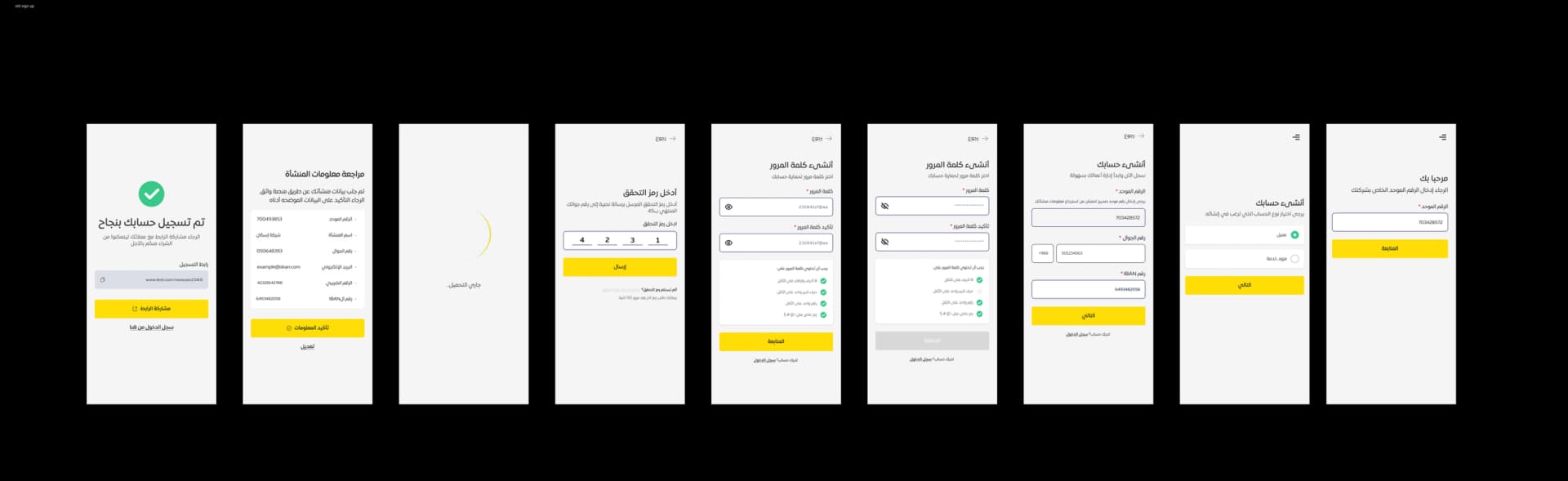
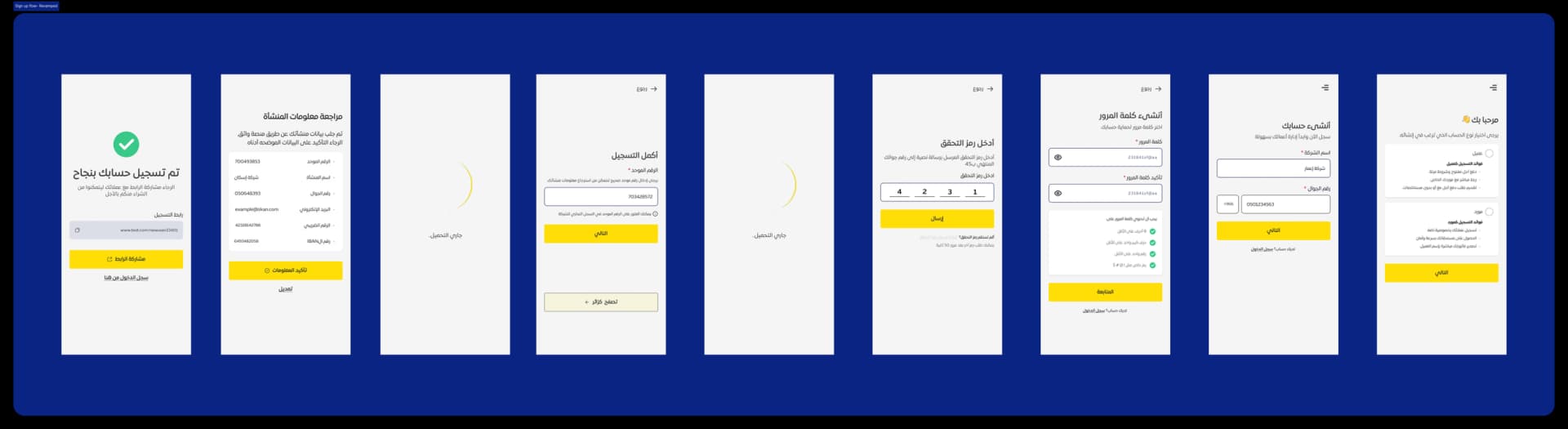
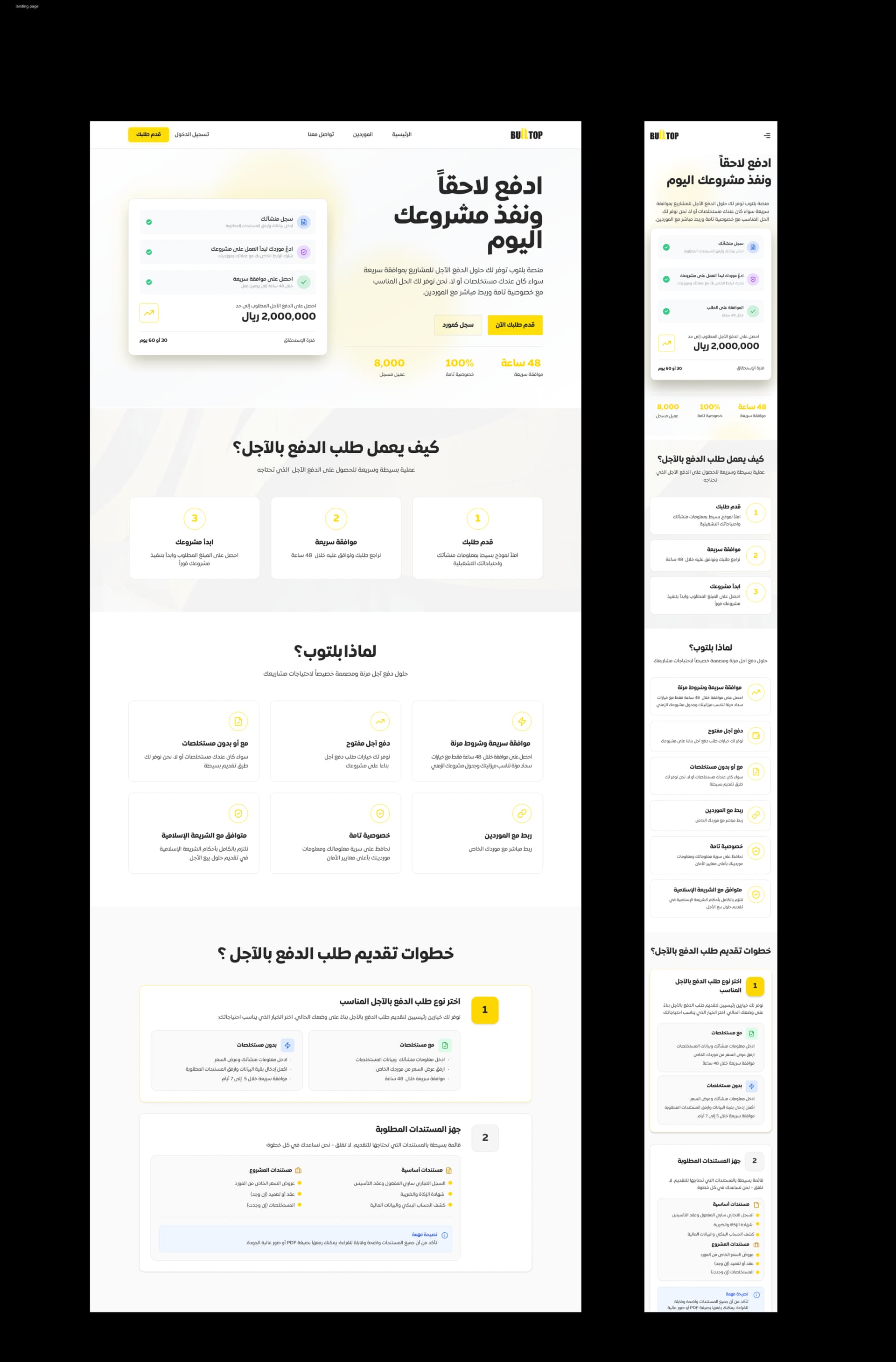
The landing page and signup journey were shipped as one connected product improvement.
Two independent sources confirmed the same thing.
A funnel leak shows where customers leave. Behaviour evidence helps explain why. Both were needed before changing a required product step.
Funnel evidence
The quantitative · what happened 1.6% end-to-end signup conversion before the changeThe funnel showed a sharp loss around one early request. It was the largest visible leak in the signup journey and the first place worth investigating.
Session behaviour
The qualitative · why it happened Pause → exit a repeated customer behaviour patternSession evidence showed users reaching the verification request, pausing, then going back or leaving. The step was being read as a barrier rather than a meaningful next action.
Same journey, one early barrier removed, a different outcome.
A smaller, clearer product decision created a measurable change in customer behaviour.
This was a product design investigation from end to end.
Identified the friction
Used funnel evidence and session behaviour to distinguish a real product requirement from a poorly timed request.
Made the product call
Reframed the team’s question from “how should we explain this?” to “why are users being asked for this before they have enough confidence?”
Designed the new path
Reordered the signup journey so the platform could still verify businesses at a more meaningful point in the experience.
Validated the outcome
Returned to the same journey after launch and measured whether the change created meaningful movement in conversion.
Three lessons this work reinforced.
Data challenges assumptions
The team saw a necessary verification step. The evidence showed a confidence barrier. Both perspectives mattered, but only one explained the behaviour.
Two signals beat one
Funnel data tells you where to look. Customer behaviour tells you what to question. Better product decisions use both.
Removal is product work
Improvement does not always come from adding screens, messages, or features. The highest-value decision can be removing an unnecessary burden.
Confidentiality note: Project visuals have been recreated from verified findings. Product identifiers, internal tool interfaces, raw analytics, operational details, and selected commercial context have been anonymized.
Building a product that needs the same kind of look?
I work with fintech, SaaS, and regulated platforms that need a senior product designer to challenge assumptions and turn complex journeys into measurable outcomes.
Start a conversation →