Design continues beyond the interface.
I took on strategy, research, UI design, art direction, and design systems, followed by AI-assisted development, testing, publishing, analytics, and marketing. Every decision now reaches a real user.
After eleven years designing products for others, I took three ideas all the way to launch. The story of Maqasi, Sila, and Wamd, and what I learned from owning the whole journey.

 Blocks
 Spot it
 Memory
For more than eleven years, I designed digital products across fintech, e-commerce, and B2B. Recently, I wanted to test that experience from another angle: could I combine product design with AI to independently build and launch my own ideas?
I chose three very different experiences: a purchase decision that needs confidence, a daily worship routine that needs calm, and games that need to feel fun. Together, the apps reached 2,160 users in about one month. The numbers document that first milestone; the visuals show the products as presented on their current websites.
Three applications. Three completely different experiences. All designed, developed, and launched independently.
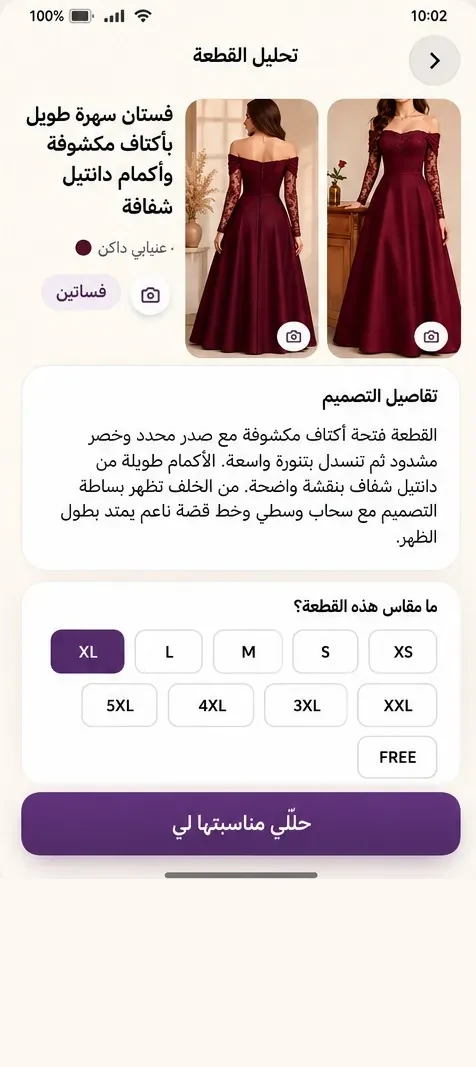
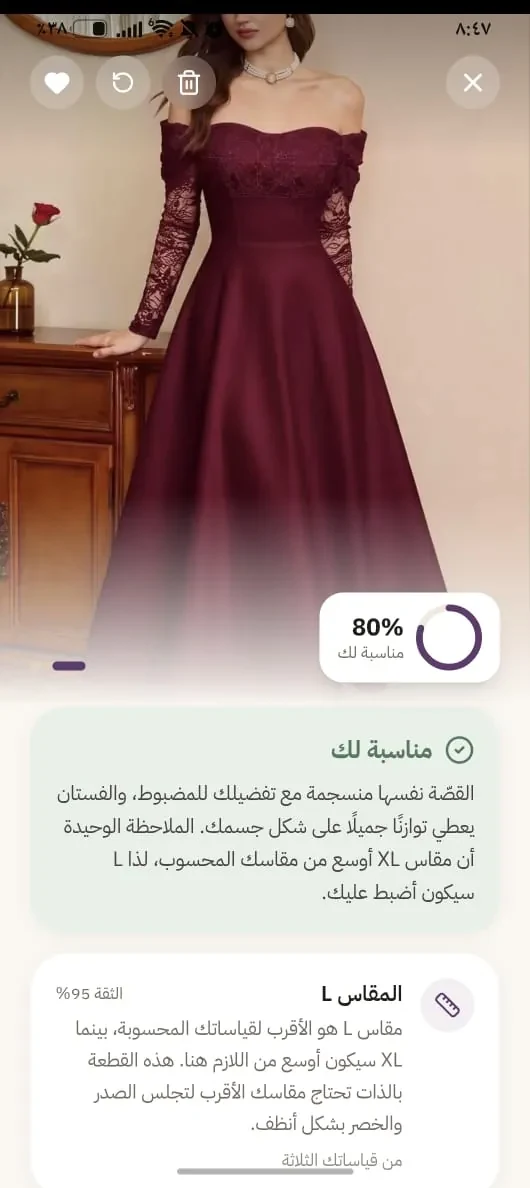
Which size should I choose? A small question that sits between liking a piece of clothing and buying it. I built Maqasi to help women answer it: it compares the store's size chart with measurements, body shape, and fit preferences, then recommends a size and explains why.
The design challenge was making the recommendation understandable. The result pairs a suggested size with an explanation of fit, while considering fabric and personal preferences. Helping someone understand the decision is a central part of the experience.
950 users in the first month. At that milestone, Maqasi ranked among Google Play's Top New Free Shopping apps: Switzerland #31; Belgium, Finland, and Norway #32; Denmark #33.
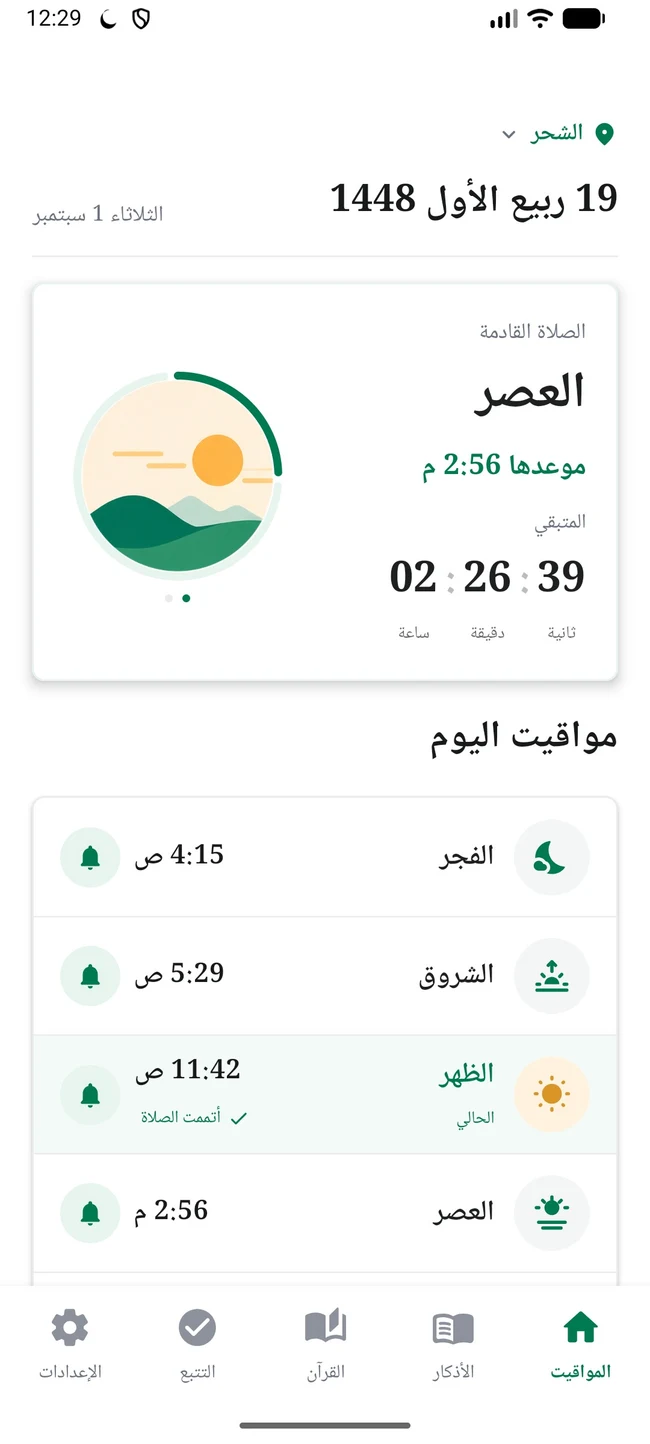
Sila asked a different question: how could prayer times, Quran reading, daily remembrance, and worship tracking come together in a companion people can easily return to? Simplicity, privacy, and a distraction-free experience guided the product.
A quiet interface is a product decision here. Information hierarchy, a clear next prayer time, and easy access to daily practices support repeated use throughout the day. Sila is now available on Apple's App Store and Google Play.
503 users in the first month. A companion shaped around daily use, simplicity, and privacy.
BlocksSpot itMemoryWamd gave me a different kind of creative space: building a world people want to enter and play in. A floating island, characters, color, and rewards all contribute to its identity. Seven Arabic games bring together blocks, paths, spot-the-difference, memory, trivia, letters, and picture puzzles.
The challenge extends beyond the board. There is the rhythm of a round, a daily challenge, a journey through stages, and live matches with friends. Each game needs its own character while feeling part of one world. The island and game artwork shown here come from Wamd's current website.
707 users in the first month. Seven games, daily challenges, a journey through stages, and live matches with friends.
I took on strategy, research, UI design, art direction, and design systems, followed by AI-assisted development, testing, publishing, analytics, and marketing. Every decision now reaches a real user.
I could test ideas in working products. My design experience remained central to defining the problem, choosing what deserved to be built, reviewing interactions, and caring about the details.
I am now exploring acquisition, retention, and monetization. The first-month figures are encouraging and open another chapter of learning: how do these products grow once people have them?
After 11 years of designing products, I'm experiencing firsthand what it means to build, launch, and grow them from the ground up.
This is just the beginning.